February 21, 2025
Greetings, cosmic travelers and starry-eyed dreamers! Here at From Earth to Space, we’re always on the lookout for the next big thing in the cosmos—and right now, the cinematic space arena is buzzing with electric potential. Leading the charge is Interstellar (2014), a trailblazer that flung us through wormholes to save humanity. But what’s the magic behind it and our other cherished voyages—The Martian, Europa Report, Moon, Sunshine, and Arrival? Buckle up as we drift into these stellar tales, our favorite odes to the universe, where science lays the path and philosophy dances beyond—lifting us to awe or leaving us adrift in the boundless, romantic void.
Interstellar: The Sublime Beyond the Stars
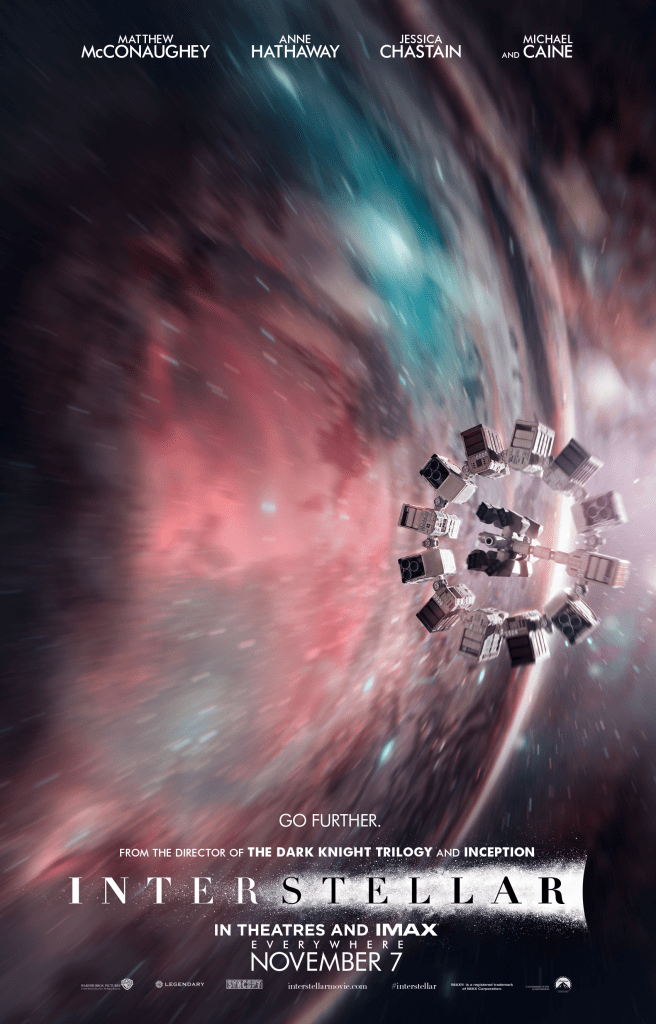
Christopher Nolan’s Interstellar (2014) is a sweeping elegy to the cosmos. Earth lies barren, choked by dust, and ex-pilot Cooper (Matthew McConaughey) guides a crew through a wormhole near Saturn, chasing a new home among the stars. Physicist Kip Thorne lends rigor—black holes spin, time warps under gravity’s pull—yet the film’s heart transcends mechanics. It’s the tether between Cooper and his daughter Murph, a bond stretched across decades by relativity’s cruel hand, that sings of eternity. Here, science charts the journey, but philosophy ponders the sublime: what force drives us to leap into the infinite, to defy the void with hope? Interstellar is a grand romance of existence, a testament to the universe’s vast, unyielding mystery.
The Martian: Man’s Quiet Ode to Being
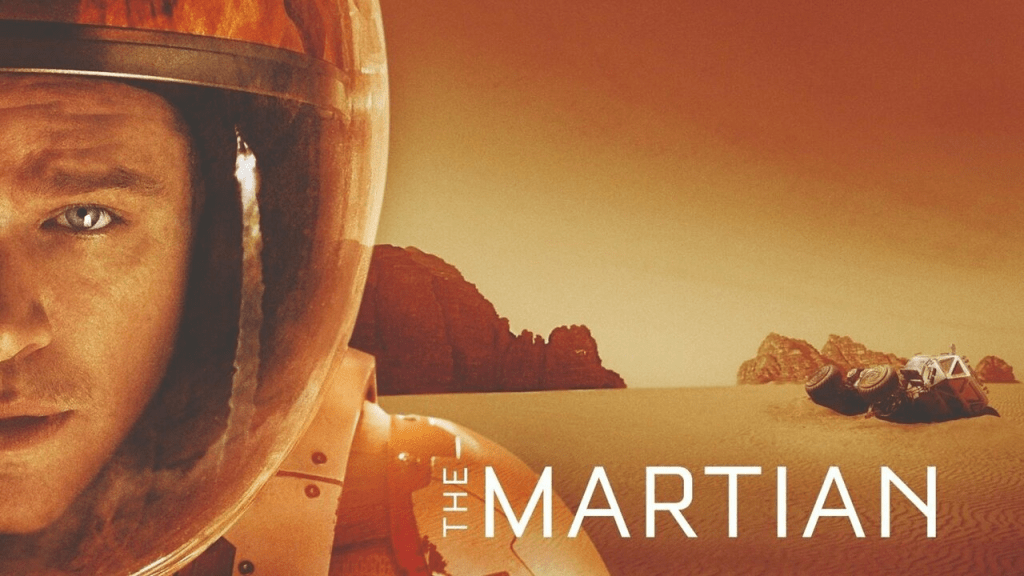
Ridley Scott’s The Martian (2015) is a solitary hymn to resilience. Mark Watney (Matt Damon), abandoned on Mars after a fierce storm, awakens to silence and red desolation. With a botanist’s cunning, he coaxes potatoes from alien soil, rigs forgotten tech, and clings to life—each act a quiet rebellion against oblivion. Andy Weir’s science—orbital paths, habitat seals—grounds the tale in plausibility, but the deeper pulse lies elsewhere. Beyond survival, it’s a meditation on presence: one man’s voice whispering “I am here” into a cosmos that doesn’t reply. Science sustains him, yet philosophy asks: what does it mean to endure where no echo returns? This is the romanticism of being, fragile yet fierce.
Europa Report: A Quest for the Unseen

Europa Report (2013) is a hushed ballad to the unknown. Six explorers voyage to Jupiter’s moon Europa, piercing its frozen crust to probe a shadowed ocean for signs of life. Captured in stark, found-footage glimpses, their mission unfolds—radiation crackles, ice groans, and a faint bioluminescent shimmer hints at secrets below. The science is meticulous: tidal forces churn Europa’s depths, a plausible cradle for existence. Yet when the crew’s final moments reveal a fleeting, alien glow, the film steps beyond data into awe. Science seeks proof, but philosophy yearns for connection: are we solitary sparks, or notes in a grander symphony? Europa Report romanticizes the edge of discovery, where shadows beckon.
Moon: Shadows of the Self
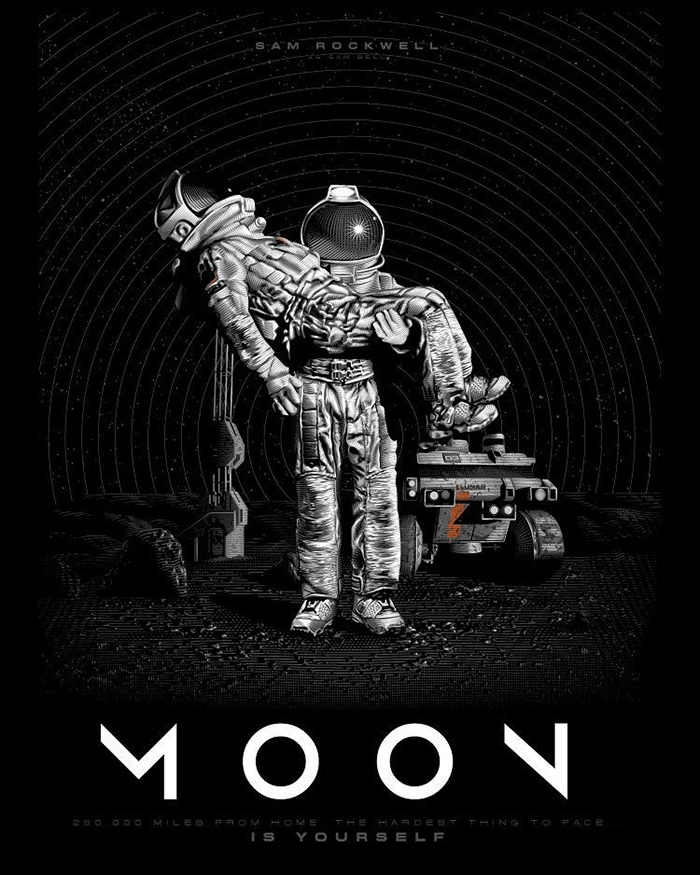
Duncan Jones’ Moon (2009) is a mournful sonnet to identity. Sam Bell (Sam Rockwell) tends a lunar helium-3 mine, alone with the hum of machinery and the promise of Earth’s horizon. Then a crash unveils a clone—himself—a pawn in a corporate tapestry of endless copies. Kevin Spacey’s AI, GERTY, watches with cold precision. Helium-3’s fusion potential roots it in science, but the soul’s cry pierces deeper: who are we when faced with our own reflection in the void? Sam’s duet with himself—anger, sorrow, acceptance—unfurls a quiet tragedy. Science builds the stage, but philosophy probes the mirror: what is the self against the infinite? Moon romanticizes the solitary wrestle with essence.
Sunshine: The Divine Fire
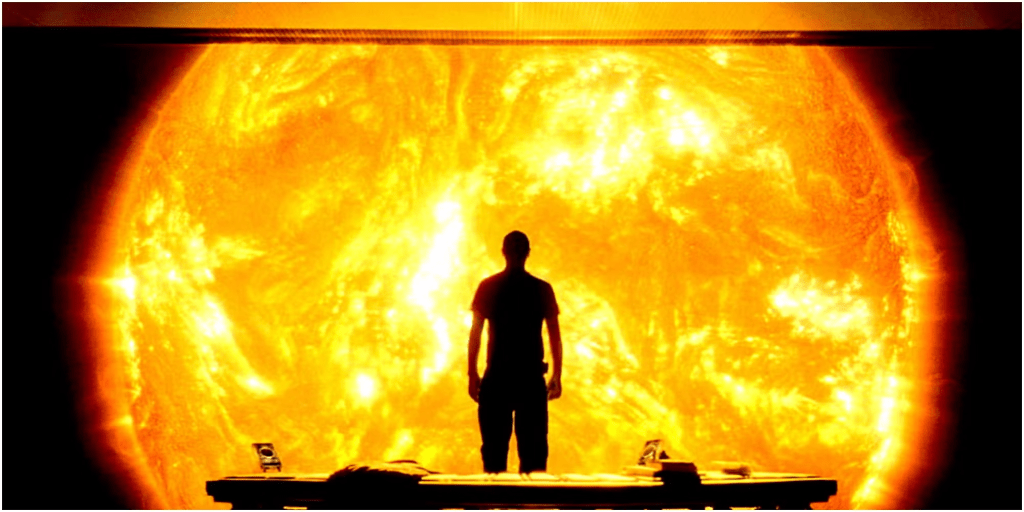
Danny Boyle’s Sunshine (2007) is a fervent psalm to the Sun’s majesty. Earth freezes as the star dims, and a crew (Cillian Murphy, Chris Evans) bears a colossal nuke to reignite its core. Golden light bathes their ship, solar flares roar, and a derelict vessel lures them into madness. The science stretches—could we spark a star?—but the film’s truth burns brighter. It’s a pilgrimage to creation’s heart, a sacrifice to restore life’s flame. Alex Garland’s script weaves dread and reverence, gazing into the Sun as one might a god. Science sketches the mission, but philosophy seeks the divine: what compels us to touch the source? Sunshine romanticizes the cosmos as a force both creator and destroyer.
Arrival: Time’s Eternal Song
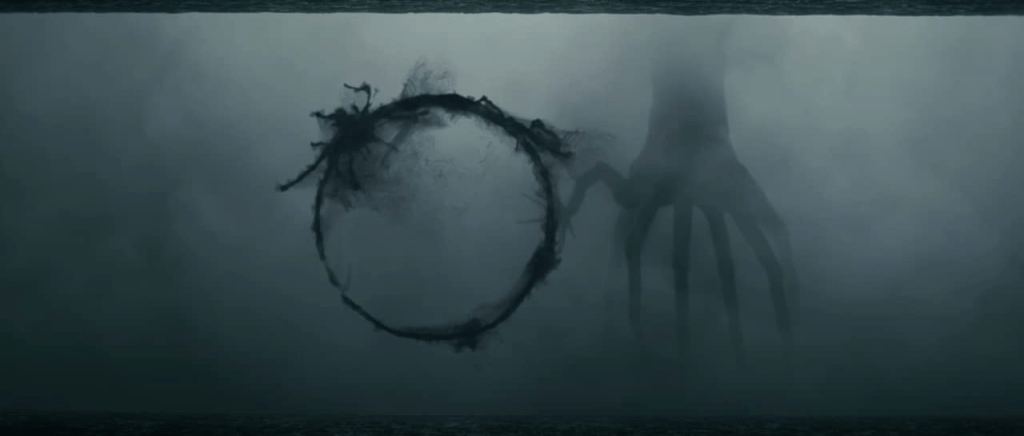
Denis Villeneuve’s Arrival (2016) is a tender ode to the boundless. Alien ships hover, silent and strange, and linguist Louise Banks (Amy Adams) unravels their circular script—a language where time loops, past and future entwined. The science of linguistics shapes it, but the revelation soars beyond: Louise’s life, her daughter’s fleeting arc, becomes a single, eternal note. The Heptapods, inky and otherworldly, offer not tech but understanding—a gift of seeing whole. Science deciphers words, but philosophy sings: what if existence is a circle, not a line? Arrival romanticizes the universe as a poem, where meaning blooms in the spaces reason cannot reach.
From Earth to Space: What’s Your Muse?
For Interstellar, it’s awe beyond despair—a beacon as we reach outward. The Martian’s quiet will, Europa Report’s questing spirit, Moon’s introspective shadow, Sunshine’s fiery reverence, and Arrival’s timeless grace each stir the soul. Together, they’re our cosmic sonnets for a year of wonder—private ingenuity, bold visions, and a thirst for the unknowable aligning. So, dim the lights, press play, and let’s drift into these philosophical romances of the cosmos together!

 Earth2Space
Leave a comment